Nanda Script: Bringing Authentic Charm to Your Creative Projects
There's a moment in every creative project when you realize the typeface you've chosen isn't just holding words—it's telling a story. Nanda Script enters that space with a confident, hand-lettered personality that feels both polished and genuinely human. It's the kind of font that makes a wedding invitation feel more intimate, a coffee bag label more artisanal, or a social media quote more shareable. If you've been searching for a script typeface that balances boldness with warmth, this one deserves a closer look.
What Makes Nanda Script Stand Out
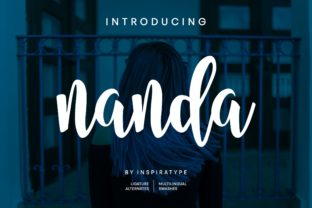
At first glance, Nanda Script reads as a modern handwritten font, but its construction reveals careful attention to detail. The letterforms carry a natural flow—think of the way a skilled calligrapher's hand moves across paper—without sacrificing legibility. Each character connects smoothly to the next, creating a rhythm that feels organic rather than forced.
What sets it apart from many script fonts is its versatility across different sizes. Some display fonts look stunning at 72 points but fall apart when scaled down for body text or captions. Nanda Script maintains its character whether you're setting a headline for a poster or adding a personal touch to product packaging. The strokes have enough weight to hold their own on screen and in print, which matters more than most people realize when choosing a creative font for commercial use.
The personality here leans toward approachable elegance. It's not overly formal like copperplate scripts, nor is it messy like some distressed handwritten typefaces. That middle ground is surprisingly hard to find, and it's exactly where Nanda Script lives comfortably.
Real-World Applications That Actually Work
Let's talk about where this font earns its place in your design toolkit. Branding projects are an obvious starting point. If you're building a brand identity for a boutique bakery, a lifestyle blog, a wellness studio, or a handmade goods shop, a script font like Nanda can become the visual shorthand for "crafted with care." It signals personality without trying too hard.
For logo design specifically, Nanda Script works beautifully as the primary wordmark or as a secondary element paired with a clean sans serif font. Imagine a photography business logo where the photographer's name flows in Nanda Script beneath a minimal geometric icon. The contrast between the organic letterforms and structured design elements creates visual interest that draws the eye.
Packaging design is another natural fit. Think about how premium fonts influence purchasing decisions on crowded shelves. A hot sauce label, a candle jar, a skincare bottle—these products rely on typography to communicate quality before the customer ever reads a single ingredient. Nanda Script brings that handcrafted, small-batch feeling that consumers increasingly gravitate toward.
Social media graphics benefit enormously from distinctive typography. When someone scrolls through hundreds of posts, a well-set quote or promotional message in a script font with authentic charm can stop the scroll. Use it for Instagram story templates, Pinterest pins, or Facebook cover images where you want to inject personality into static content.
Don't overlook print materials, either. Event invitations, thank-you cards, menu designs, business cards, and promotional flyers all benefit from a font that feels personal. Editorial layouts in magazines or lookbooks can use Nanda Script for pull quotes and section headers to break up dense content and add visual hierarchy.
Pairing Nanda Script With Other Typefaces
No font exists in isolation, and smart font pairing is where good design becomes great. Nanda Script plays well with others, but some combinations work better than others.
A classic approach pairs it with a neutral sans serif font for body text. Think of something like a geometric sans serif—clean, modern, and unobtrusive. The script font handles headlines and accent text while the sans serif carries longer paragraphs and supporting information. This contrast keeps the layout readable while maintaining visual variety.
For projects that want a more editorial or sophisticated feel, try combining Nanda with a serif font. A transitional or modern serif typeface creates an interesting dialogue between traditional and contemporary design styles. This pairing works particularly well for blog headers, digital product covers, and marketing collateral.
The key principle is contrast. If you pair Nanda Script with another decorative or handwritten font, things get chaotic fast. Let it be the star of the show and surround it with quieter supporting players. Test your pairings at multiple sizes and on different backgrounds before committing—what looks balanced on your laptop screen might read differently on a mobile phone or printed flyer.
Practical Tips for Getting the Most From This Font
Before you start applying Nanda Script across every project, consider a few practical realities that separate amateur typography from professional presentation.
First, check what's included in the font package. Most premium fonts offer multiple styles—regular, bold, italic, or alternate character sets. Nanda Script may include stylistic alternates, ligatures, or swashes that give you additional creative options. Exploring these features before starting a project saves time and opens up possibilities you might otherwise miss.
Second, think about readability in context. A script font that looks gorgeous in a headline might become difficult to read in smaller sizes or at a distance. Use Nanda Script for display purposes, short phrases, and accent text rather than long blocks of body copy. If you're designing a poster, set the main message in Nanda and the details—date, time, location—in a complementary typeface that prioritizes clarity.
Third, consider commercial licensing carefully. If you're using the font for client work, merchandise, or products you sell, make sure the license covers your intended use. This is one of those details that's easy to overlook until it becomes a problem. Read the licensing terms before purchasing, not after you've already built a brand identity around the typeface.
Fourth, pay attention to letter spacing and line height. Script fonts often need more generous line spacing than sans serif or serif fonts to avoid a cramped appearance. Adjust tracking and leading until the text feels comfortable to read. Small tweaks here make a significant difference in the final polish of your design.
Who Benefits Most From a Font Like This
Small business owners building their first brand identity often struggle with choosing typography that feels right. Nanda Script offers a starting point that's distinctive without being trendy in a way that will feel dated in two years. It has enough personality to differentiate a brand while remaining versatile enough to grow with the business.
Content creators and bloggers who produce regular visual content—social media graphics, lead magnets, digital downloads—need a reliable creative font that speeds up their workflow without sacrificing quality. Having a go-to script font in your toolkit means you're not starting from scratch every time you design a new piece of content.
Designers working on client projects will appreciate having a script option that doesn't require extensive modification to look professional. Many handwritten fonts need kerning adjustments or letterform swaps to achieve a polished result. A well-constructed typeface reduces production time and increases client satisfaction.
Crafters and hobbyists creating invitations, party decorations, or personalized gifts also find real value here. The authentic, hand-lettered quality of Nanda Script makes DIY projects look less DIY and more boutique. Whether you're cutting vinyl decals, designing printables, or creating custom stationery, the right font elevates the entire finished product.
Making Typography a Strategic Choice
Every font you choose communicates something about the project it serves. Nanda Script communicates warmth, creativity, and authenticity. It tells your audience that thought went into the design, that the person behind it values craft and attention to detail.
The best typography decisions happen when you start with your project goals rather than personal preference. Ask yourself what emotion you want to evoke, who your audience is, and where the design will live. A font that works beautifully for a wedding invitation might not serve a tech startup's landing page—and that's perfectly fine. The goal isn't to find one typeface that does everything. It's to match the right tool to the right job.
When a script font with heaps of authentic charm aligns with your creative vision, the results speak for themselves. Your designs feel more cohesive, your brand becomes more memorable, and your audience connects more deeply with what you've created. That's the real power of thoughtful typography—and it's exactly what a font like Nanda Script brings to the table.