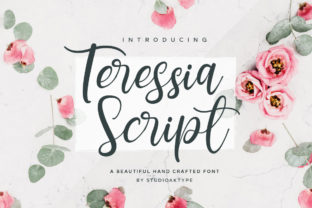
Teressia Script: A Handwritten Font That Feels Like Your Own Handwriting
There’s something undeniably magnetic about a font that feels personal. In a world saturated with sleek, sterile digital typefaces, a design element that carries the warmth of a human touch can instantly bridge the gap between a brand and its audience. Teressia Script is precisely that kind of design asset. It’s a beautiful handwritten font with natural shades that doesn’t just display words; it tells a story, adding a beautiful, organic flow to any creative concept you can imagine.
As someone who has spent years navigating the intersection of brand identity and visual communication, I’ve seen how typography can make or break a project. The choice of a script font is never just about aesthetics; it’s about emotion, readability, and strategic alignment. Teressia Script offers a unique blend of casual elegance and legible charm, making it a versatile tool for designers, entrepreneurs, and creators alike. Let’s explore how this particular handwritten font can become a cornerstone of your visual toolkit.
Beyond Cursive: The Personality of a Modern Script
Not all script fonts are created equal. Some are overly formal, resembling calligraphy that feels out of place on a modern website. Others are so casual they sacrifice clarity for style. Teressia Script strikes a compelling balance. Its strokes have a natural, slightly textured quality that mimics real ink on paper, giving it an authentic, handcrafted feel. This isn’t a font that looks like it was generated by an algorithm; it feels like it was written by a person, which is a powerful psychological trigger in design.
This inherent personality makes it an exceptional creative font for projects that demand a human connection. Think about a small-batch candle company’s packaging design, where the font on the label needs to whisper “hand-poured” and “artisanal.” Or consider a wedding photographer’s logo design, where the typeface must convey romance and intimacy without being illegible. The natural flow and subtle variations in Teressia’s letterforms achieve this effortlessly. It’s a premium font that doesn’t feel pretentious, making it accessible for both high-end brands and passionate hobbyists.
Practical Applications: Where Teressia Truly Shines
The true test of any design asset is its real-world application. Teressia Script’s versatility is one of its greatest strengths. Its elegant yet approachable style translates beautifully across a wide range of mediums, ensuring your brand’s visual language remains consistent whether it’s on a screen or in print.
For branding, it can serve as the hero typeface for a logo, especially for businesses in the lifestyle, wellness, beauty, or artisanal food sectors. Paired with a clean sans serif font for body text, it creates a dynamic and professional hierarchy. On social media graphics, it’s perfect for quote cards, promotional announcements, or Instagram Story highlights, adding a personal touch that stops the scroll. Its readability at various sizes also makes it a strong contender for website headers and blog post titles, guiding the reader’s eye with graceful curves.
Consider its role in editorial design. A magazine layout for a feature on handmade crafts or a cookbook introduction would benefit immensely from Teressia’s warmth. For digital products like planners, printable wall art, or e-book covers, it provides a cohesive, polished look. Even in marketing assets such as email newsletter headers or promotional flyers, a touch of this script font can elevate the entire composition, making it feel more curated and less generic.
Making It Work: Pairings, Licensing, and Readability
Integrating a distinctive font like Teressia Script into your projects requires a thoughtful approach. The goal is to enhance, not overwhelm. A fundamental rule in modern typography is contrast. Because Teressia has a strong, flowing character, it pairs exceptionally well with structured, geometric sans serif fonts or even a simple, sturdy serif font. This contrast ensures readability and creates visual interest. Avoid pairing it with another highly decorative typeface, as this will create visual clutter and confuse your message.
Always test your font pairing in the context of your final design. How does it look on a mobile screen? Is the headline still clear when printed on a textured paper for a poster or invitation? Readability is paramount, especially for body copy or critical information. While Teressia is excellent for headlines and short bursts of text, for longer paragraphs, it’s best used sparingly or in larger sizes. Review the included font styles—many premium scripts come with alternates, ligatures, and swashes. These extra characters can add flair to a logo or a special word but use them judiciously to maintain clarity.
Finally, a crucial but often overlooked detail: commercial licensing. If you’re using Teressia Script for client work, merchandise you plan to sell, or digital products, ensure your license covers that use. A reputable premium font will have clear licensing terms. This isn’t just about legality; it’s about respecting the craft of the type designer and ensuring your professional projects are built on a solid foundation.
Final Thoughts on Finding Your Flow
Choosing a font is a bit like choosing a voice for your brand. It needs to resonate with your audience and feel authentic to your message. Teressia Script offers a voice that is both eloquent and relatable. It’s a tool that can help improve visual consistency across your touchpoints, strengthen brand recognition with its unique character, and boost audience engagement by making your communications feel more personal. Whether you’re designing a set of merchandise, crafting a blog header, or finalizing a packaging concept, this handwritten font provides that beautiful, natural flow that can make your work stand out. It’s a reminder that in the digital age, the human touch is still the most powerful design element of all.