The Art of Handwritten Elegance in Design
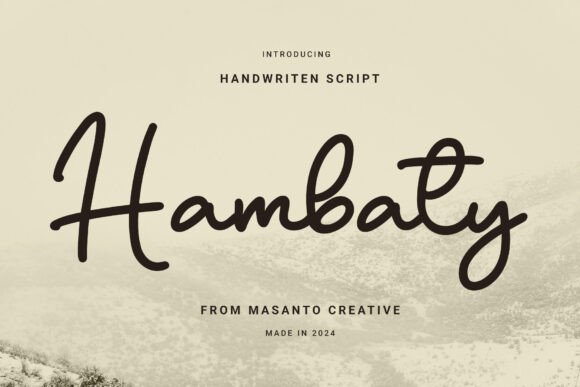
In the digital world of crisp vectors and uniform sans-serifs, a touch of human imperfection can be the most powerful design choice you make. This is where a font like Hambaty Script enters the conversation, offering a handwritten and script style that immediately infuses projects with elegance, authenticity, and a deeply personal touch. For designers seeking to break through the visual noise, understanding and utilizing such a typeface is key to creating memorable and effective visual communication.
Hambaty Script is more than just a collection of letters; it's a design asset that carries a specific mood and personality. Its natural, flowing strokes mimic the organic movement of a hand holding a pen, which inherently builds a sense of warmth and approachability. This quality makes it an invaluable tool in modern graphic design, where establishing an emotional connection with the audience is often the primary goal. When applied thoughtfully, it strengthens brand identity by giving a face—a human, relatable face—to a company or product.
Practical Applications Across Creative Projects
The versatility of a well-crafted script font allows it to enhance a wide array of design contexts. Its primary strength lies in adding a focal point of elegance without sacrificing readability when used appropriately.
- Branding and Logo Design: Hambaty Script can serve as the core logotype for brands in lifestyle, artisanal food, beauty, or boutique services. It instantly communicates craftsmanship and care, setting a premium tone for the entire brand identity.
- Marketing and Social Media: For headlines on flyers, posters, or Instagram graphics, this font captures attention. It’s perfect for call-to-action phrases, quotes, or promotional announcements where you want to feel personal and inviting rather than corporate.
- Web and UI Design: Use it sparingly for hero section headlines, special feature callouts, or navigation accents on websites. It adds a layer of sophistication to digital interfaces, improving user engagement by breaking monotony.
- Editorial and Packaging Design: On book covers, magazine layouts, or product packaging, Hambaty Script can elevate the perceived value. It suggests a story behind the product, making it ideal for labels, tags, and editorial pull-quotes.
- Digital Products and Presentations: From webinar slides to e-book covers, using this script for key titles makes digital content feel more curated and professionally presented, enhancing the overall user experience.
Integrating Script Fonts into Your Design Workflow
While a font like Hambaty Script offers tremendous creative potential, its effectiveness hinges on strategic implementation. Here are key considerations for designers and creators:
- Prioritize Readability and Hierarchy: Script fonts are best used for headlines, logos, or short bursts of text. Avoid setting large paragraphs in a script style, as it hampers legibility. Pair it with a clean, simple sans-serif or serif for body copy to create a clear visual hierarchy.
- Consider the Audience and Context: The handwritten aesthetic appeals to certain demographics and industries. Ensure it aligns with your target audience's expectations and the project's overall message. It works wonderfully for creative, luxury, or personal brands but may not suit a formal corporate report.
- Test for Scalability and Compatibility: Check how the font renders at various sizes, from a tiny favicon to a large billboard. Also, ensure it harmonizes with your existing color palette and other design assets. A mismatched font can disrupt the cohesion of a brand system.
- Leverage OpenType Features: Many premium script fonts include alternate characters, ligatures, and stylistic sets. Explore these features to customize the look and avoid repetitive letterforms, adding a unique, handcrafted feel to your typography.
Ultimately, the power of a resource like Hambaty Script lies in its ability to bridge the gap between digital precision and human emotion. In a landscape saturated with templated designs, making intentional, quality-driven typography choices is what separates good design from great. By selecting creative assets that align with your project's goals and audience, you craft not just a visual, but an experience—one that resonates, communicates, and endures. Thoughtful design is, at its core, thoughtful communication.