Housthina Script: The Artisan Touch Your Brand is Missing
There’s a moment in every creative project where you stand back and realize something is missing. The layout is solid, the colors are on point, but the typography feels… generic. It lacks that human spark, that handwritten warmth that tells a story. If you've ever felt that gap between a good design and a great one, the solution often lies in finding a typeface that carries genuine character. This is where a font like Housthina Script enters the picture, offering a bridge between professional polish and authentic, handcrafted charm.
More Than Just Letters: The Visual Personality of Housthina Script
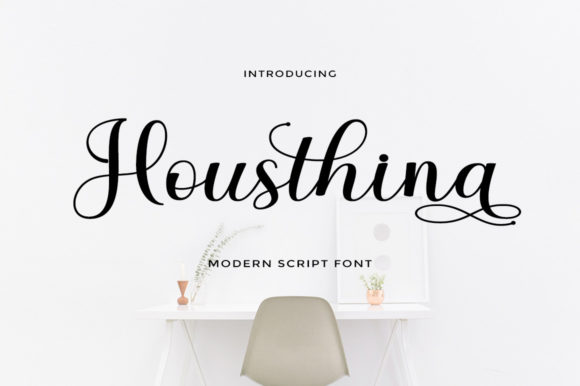
At its core, Housthina Script is an exquisite script font designed to inject elegance and fluidity into visual projects. Its letterforms flow with a natural, connected rhythm that mimics the organic movement of a skilled calligrapher's hand. This isn't a stiff, formal script; it has a modern sensibility balanced with timeless grace. The subtle variations in stroke width give it depth, while its carefully crafted swashes and alternate glyphs provide a toolkit for customization. Because this premium font is PUA encoded, every single one of these stylistic extras is easily accessible, even in basic design software. This means you aren't just buying a set of letters; you're investing in a versatile design asset that can be tailored to fit a multitude of creative visions.
Where Elegance Meets Strategy: Practical Applications
Understanding a font's aesthetic is one thing; knowing where to deploy it for maximum impact is another. The true value of a creative font like this is realized when it’s applied thoughtfully to solve specific communication challenges. Let’s move beyond theory and look at where this script font truly shines.
For Branding and Logo Design: Your brand identity is your first impression. A handwritten font can make a logo feel approachable, luxurious, or artisanal, depending on the context. Imagine Housthina Script as the primary wordmark for a boutique wedding planner, a high-end skincare line, or a cozy café. It instantly communicates a level of care and personal touch that a standard sans serif font cannot. It helps build brand recognition by creating a distinct and memorable visual signature.
In Packaging and Merchandise: On a shelf crowded with products, packaging design is your silent salesperson. Using this script font for product names on labels, boxes, or bags adds a layer of perceived value. It suggests craftsmanship. Think of a coffee bag, a jar of artisanal jam, or a candle box—Housthina Script can transform a simple label into an invitation to experience something special. The same principle applies to merchandise like tote bags, mugs, or apparel, where the font becomes part of the product's appeal.
Across Digital Platforms: In the fast-scrolling world of social media graphics, stopping power is everything. A striking headline or quote set in an elegant script can halt the thumb. Use it for Instagram post titles, Pinterest pin graphics, or Facebook ad headlines to draw the eye. For web design, it works beautifully for hero section headlines, section titles, or call-to-action phrases, guiding the visitor’s journey with visual flair. On blogs, it can style pull quotes or article headers, breaking up text and enhancing readability by providing visual hierarchy.
For Print and Editorial Layouts: The tactile world of print is where script fonts often feel most at home. Use Housthina Script on posters, flyers, or menu designs to set a specific mood—be it elegant, festive, or rustic. In editorial design for magazines or lookbooks, it excels for feature article titles, chapter headings, or stylistic accents, adding a dynamic contrast to body copy set in a clean serif or sans serif font. For invitations to weddings, parties, or corporate events, it sets the tone immediately, promising an experience crafted with attention to detail.
Finding the Perfect Fit: A Guide to Using Script Fonts Wisely
Adding a powerful tool like a script font to your toolkit is exciting, but using it effectively requires a bit of strategy. Here’s some practical advice for integrating it seamlessly into your work.
Prioritize Readability Above All: The most beautiful font in the world fails if your message gets lost. Script fonts are best used for headlines, short phrases, or call-outs, not for long paragraphs of body text. Always test your design at the size it will be viewed. A swash that looks stunning on a large poster might become an illegible blur on a mobile screen. Step back and ask, “Can a new viewer read this instantly?”
Master the Art of Font Pairing: A script font rarely works alone. Its power is amplified when paired with a more neutral counterpart. A classic approach is to combine Housthina Script with a clean, geometric sans serif for body text. This creates a beautiful tension between the decorative and the functional. For a more traditional feel, pairing it with a sturdy serif font can work well. The key is contrast—ensure the two typefaces are different enough to create hierarchy but similar in weight or mood to feel cohesive.
Explore the Full Glyph Library: Don’t just type and go. Take the time to explore the alternates and swashes included with the font. In your design software, look for the Glyphs panel. Experimenting with different initial and terminal letters can customize a wordmark or headline, making it truly unique to your project. This is where you move from using a font to crafting with it.
Consider Licensing and Project Goals: If you’re using the font for commercial work—a client’s logo, a product for sale, or marketing materials—ensure you have the correct commercial license. This is a non-negotiable step in professional practice. Align the font’s personality with your project’s goal. Is the goal to feel luxurious, whimsical, trustworthy, or energetic? Let that objective guide your typographic choices.
Ultimately, typography is one of the most powerful tools for shaping perception. A typeface like Housthina Script offers more than just aesthetic appeal; it provides a means to convey emotion, establish identity, and create a cohesive visual language. By applying it with intention—balancing its decorative nature with readability, pairing it thoughtfully, and leveraging its full character set—you can elevate your designs from merely competent to genuinely compelling. It’s about giving your projects that final, human touch that resonates with your audience.