Why Harringtone Script Feels Like Your Brand's Missing Handshake
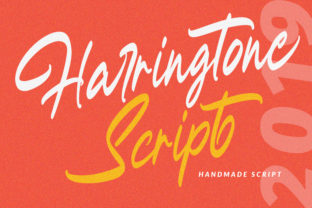
There’s a moment in every creative project where you realize the design is technically correct but emotionally flat. The layout is clean, the colors are harmonious, but something human is missing. That’s often where a typeface like Harringtone Script enters the conversation. It’s not just another premium font; it’s a dose of personality. With its bold, confident strokes and a rhythm that feels genuinely handwritten, it brings an immediate sense of warmth and approachability. It’s the visual equivalent of a firm, friendly handshake—the kind that makes a first impression memorable.
Beyond the Basics: What Makes This Handwritten Font Stand Out
At first glance, Harringtone Script is a display font with a playful, authentic charm. But look closer, and you’ll see the craftsmanship. The letters have a natural flow and slight variation that avoids the robotic, repetitive feel of some digital scripts. This isn’t a delicate, whispering script font; it has a bold presence. Think of it as the confident cousin of a classic serif font or a softer alternative to a rigid sans serif font. Its strength lies in its versatility within that boldness. It can feel vintage and nostalgic for a coffee shop logo, yet modern and energetic for a social media campaign.
The real value of a creative font like this is its ability to convey tone instantly. A marketing email using Harringtone for its headline feels more personal than one set in a standard corporate typeface. A product label using it signals artisanal quality and care. It’s a tool for visual communication that bypasses the need for lengthy explanations, letting the style speak directly to the viewer’s subconscious.
Practical Magic: Where This Typeface Truly Shines
So, where do you actually use a font with this much character? The applications are broader than you might think, especially when you’re aiming for brand recognition and audience connection.
- Logo Design & Brand Identity: This is its home turf. Harringtone Script can form the core of a brand identity for businesses that want to feel approachable, creative, and human. Imagine it for a boutique bakery, a freelance photographer, a lifestyle blog, or a craft brewery. It becomes the cornerstone of their modern typography system.
- Packaging & Merchandise: On a coffee bag, a candle jar, or a t-shirt, this handwritten font adds a tactile, crafted feel. It tells customers there’s a story behind the product, enhancing the unboxing experience and supporting premium pricing.
- Social Media & Digital Content: For social media graphics, Instagram stories, or YouTube thumbnails, it’s a stopper. Its boldness cuts through the noise of a crowded feed. Use it for quotes, sale announcements, or your channel name to create instant visual hooks.
- Print Materials & Invitations: Wedding invitations, event posters, and thank-you cards gain an intimate, celebratory feel. It translates beautifully to print, retaining its charm on textured paper stock.
- Websites & Blogs: While not for body text, it’s perfect for hero section headers, blog post titles, or call-to-action buttons. Paired with a clean, readable sans serif font for paragraphs, it creates a dynamic and engaging web design hierarchy.
Making It Work: Smart Pairings and Readability
A common pitfall with a strong display font is overusing it. The key to professional editorial design and marketing assets is balance. Harringtone Script should be the accent, not the entire meal.
Font Pairing 101: Let it be the star. Combine it with a neutral, highly legible partner. A geometric sans serif font like Montserrat or a clean serif font like Lora creates beautiful contrast. The handwritten font handles the emotional, high-impact moments (headlines, logos), while its partner handles the informational heavy lifting (body copy, captions). This pairing improves readability while maintaining a cohesive visual consistency.
Test in Context: Always mock up your designs. Set your headline in Harringtone Script at the size you intend to use it. How does it look next to your body text? Is the x-height compatible? Does it maintain clarity at the size you need? This testing is crucial for both digital and print applications.
Explore the Included Styles: A good commercial font often comes with more than one file. Check for alternates, ligatures, or different weights. These extras allow you to customize the look for different projects, giving you more mileage from a single design asset and helping to keep your work fresh.
A Final Thought on Choosing Your Tools
Choosing typography is ultimately about choosing a voice. The fonts you select for your project are silent ambassadors for your message. A typeface like Harringtone Script offers a specific voice: confident, friendly, and unmistakably human. It won’t be the right fit for a law firm’s annual report, but for a thousand other projects where connection is key, it might just be the perfect tool. Before you commit, consider the licensing for your intended use—whether it’s for a single client project or a product line you’ll sell. The right font pairing and thoughtful application can transform a good design into one that truly resonates, making your audience feel something before they’ve even read a word.