Why Handy Script Feels Like a Conversation, Not a Font
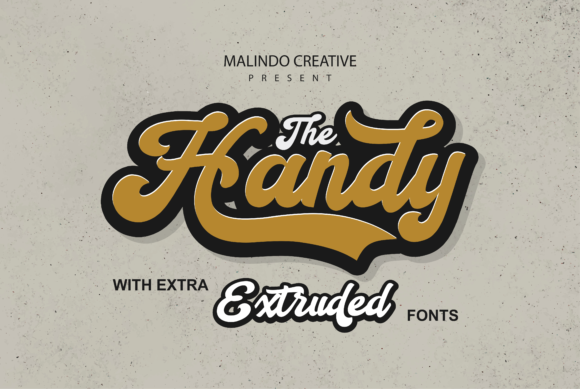
There’s a specific kind of warmth that only a handwritten element can bring to a design. It’s the difference between a printed corporate memo and a note tucked into a lunchbox. In a digital landscape often dominated by sterile sans-serifs and predictable serifs, finding a typeface that bridges the gap between professional polish and genuine human touch is rare. Enter Handy Script—a premium font that doesn’t just mimic handwriting; it embodies the fluid, confident strokes of a real pen. It’s bold, it’s beautiful, and it carries an authentic charm that can transform a standard layout into something that feels personal and inviting. Whether you’re designing a logo for a new bakery or crafting social media posts for a lifestyle brand, this script font offers a versatile solution for adding character to your work.
The Anatomy of Authenticity
What sets this typeface apart from the thousands of script fonts available online? It comes down to the details. Handy Script avoids the pitfalls of many digital calligraphy styles. It doesn't look "wobbly" or juvenile, nor does it look like a generic auto-traced vector. Instead, it strikes a balance that is crucial for modern typography: it looks handcrafted but remains highly legible. The letterforms feature a natural flow, with connections that mimic the movement of a hand across paper. This creates a rhythm in your text blocks that feels organic.
For designers and brand strategists, this visual personality is a goldmine. When you are building a brand identity, you are essentially building a personality. If your brand is approachable, artisanal, or creative, a rigid, geometric sans-serif might send the wrong message. Handy Script, with its bold weight and authentic texture, instantly signals creativity and warmth. It tells the viewer that there is a human behind the business. This is particularly effective for small business owners who rely on personal connection to build trust. Using a creative font like this in your logo design or header graphics helps establish that emotional rapport before a customer even reads your "About" page.
Practical Applications: From Screen to Shelf
One of the biggest challenges with script fonts is versatility. Some work well for logos but fall apart in a paragraph. Others look great on a wedding invitation but feel out of place on a website. Handy Script, however, adapts surprisingly well across various mediums, provided you apply it with strategic intent.
Branding and Logo Design
For logo design, the font does the heavy lifting. A bold script like this can serve as the primary wordmark for businesses in the fashion, food, or creative consulting sectors. Imagine a coffee shop logo where the name is written in Handy Script—it instantly evokes the feeling of a barista writing your name on a cup. It’s personal. When used as a display font, it commands attention without shouting. Because of its bold nature, it holds up well in black and white, as well as in full color.
Packaging and Merchandise
Move over to packaging design, and the font shines again. In a crowded market, shelf appeal is everything. A handwritten font breaks the visual monotony of standard packaging text. It can be used to highlight "Handmade," "Small Batch," or "Special Edition" labels. It adds a tactile quality to the design, suggesting that the product inside is crafted with care. This extends to merchandise—think tote bags, mugs, or t-shirts. A catchy phrase typeset in a script font often sells better than a blocky graphic because it feels like wearable art or a personal statement.
Digital Presence and Social Media
In the realm of web design and social media graphics, Handy Script acts as a powerful accent. It is rarely a good idea to set an entire website body copy in a script font—that can lead to readability issues and eye strain. However, using it for H1 headers, pull quotes, or specific call-to-action buttons can break up the visual hierarchy beautifully. On platforms like Instagram or Pinterest, where visual noise is high, a bold, handwritten header stops the scroll. It creates a focal point that feels less like an advertisement and more like a friend sharing a recommendation.
Strategic Typography: Making It Work for You
Simply installing a font isn't enough; using it effectively requires a bit of strategy. To get the most out of a typeface like Handy Script, you need to consider how it interacts with other elements in your design ecosystem.
Mastering Font Pairings
The "hero" of your layout shouldn't fight for attention with the supporting cast. Because Handy Script is a display font with a strong personality, it pairs best with something quiet and structured. Think of a clean, geometric sans-serif or a classic, high-contrast serif font. For example, pairing the script font with a typeface like Montserrat or Lora creates a professional tension that looks intentional. The script provides the emotion; the sans-serif provides the clarity. This combination ensures your marketing assets look polished rather than chaotic.
Readability and Spacing
Handwritten fonts can sometimes be tricky regarding kerning (the space between letters). Always review your tracking when using script fonts for headlines. If the letters are too tight, the loops and swirls might overlap, creating a messy blob. If they are too loose, the word loses its cohesive shape. A font like Handy Script usually comes with well-designed metrics, but manual adjustment is often necessary for large display text to ensure it remains readable. Additionally, pay attention to line height (leading). Generous spacing between lines of text allows the script font to breathe, preventing the design from feeling cluttered.
Licensing and Usage
For entrepreneurs and professionals, the legal side of design assets is just as important as the aesthetic. When investing in a premium font, always verify the licensing terms. Does the license cover digital products you intend to sell? Can you use it on unlimited merchandise? Most high-quality commercial fonts offer clear licensing tiers. Ensuring you have the correct rights protects your business and supports the typographers who create these tools. It’s a small step that prevents major headaches down the road.
Beyond the Basics: Unexpected Uses
While we often associate script fonts with logos and headers, there are other creative avenues to explore. Consider using Handy Script in editorial design. A magazine layout or a PDF lookbook can benefit from a handwritten font for pull quotes or section dividers. It adds a layer of editorial sophistication that feels curated.
For content creators, think about your digital products. If you are selling planners, worksheets, or e-books, using a consistent typeface helps define your product's style. A charming script used for headers in a digital planner can make the user experience feel more luxurious. Even in email marketing, a stylized header image using the font can increase click-through rates by drawing the eye to the most important message.
Final Thoughts on Visual Connection
Ultimately, the tools we choose for our projects dictate the conversation we have with our audience. A font is never just a set of letters; it is a tone of voice. Handy Script offers a voice that is confident, warm, and undeniably human. It bridges the gap between digital sterility and analog warmth, making it a valuable asset in any designer's toolkit. By applying it thoughtfully—balancing it with clean partners and respecting its readability limits—you can elevate your designs from merely functional to truly memorable. It’s about putting a charming twist on the ordinary and reminding your audience that there is a real person behind the pixels.